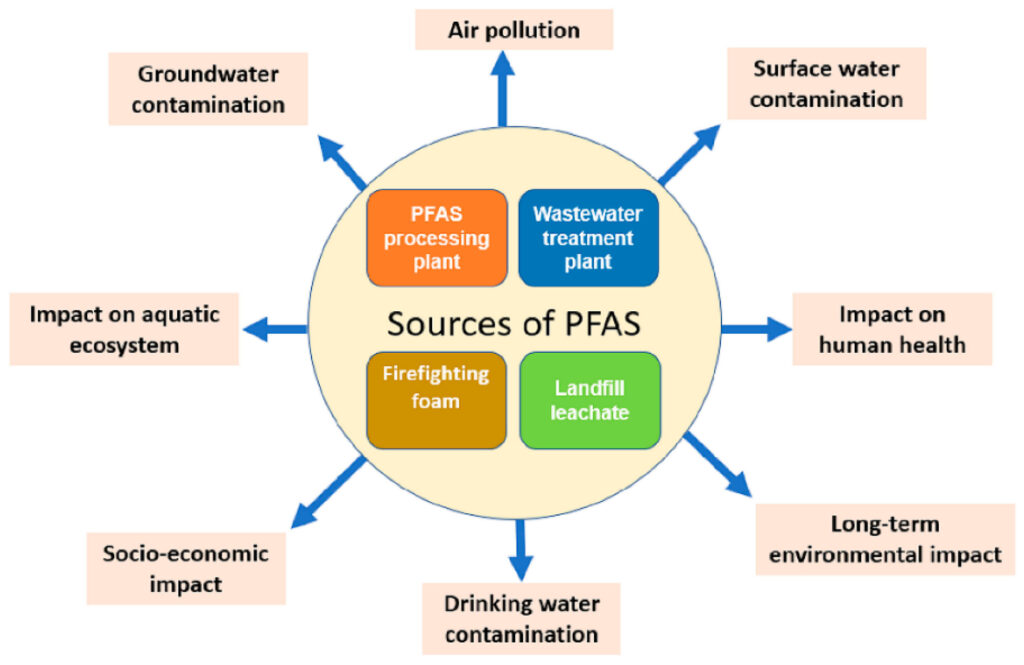
Australian Scientists are developing a sunlight-powered photocatalyst that can degrade PFAS (“forever chemicals”) into harmless components—offering a promising, eco-friendly method for future clean up efforts.
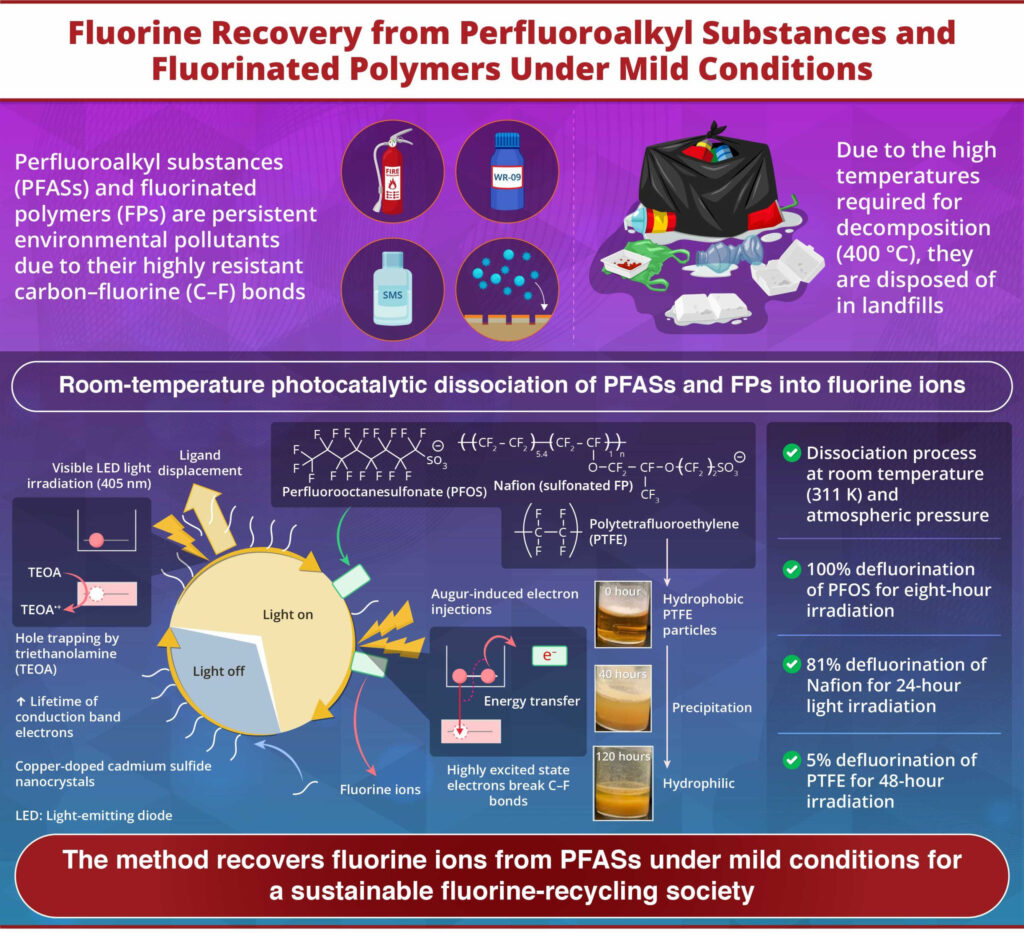
Researchers report a new solar-driven method to break down PFAS, also known as “forever chemicals.” PFAS are hard to destroy because their carbon-fluorine bonds are very strong. The new technique uses solar energy with a visible-light photocatalyst.
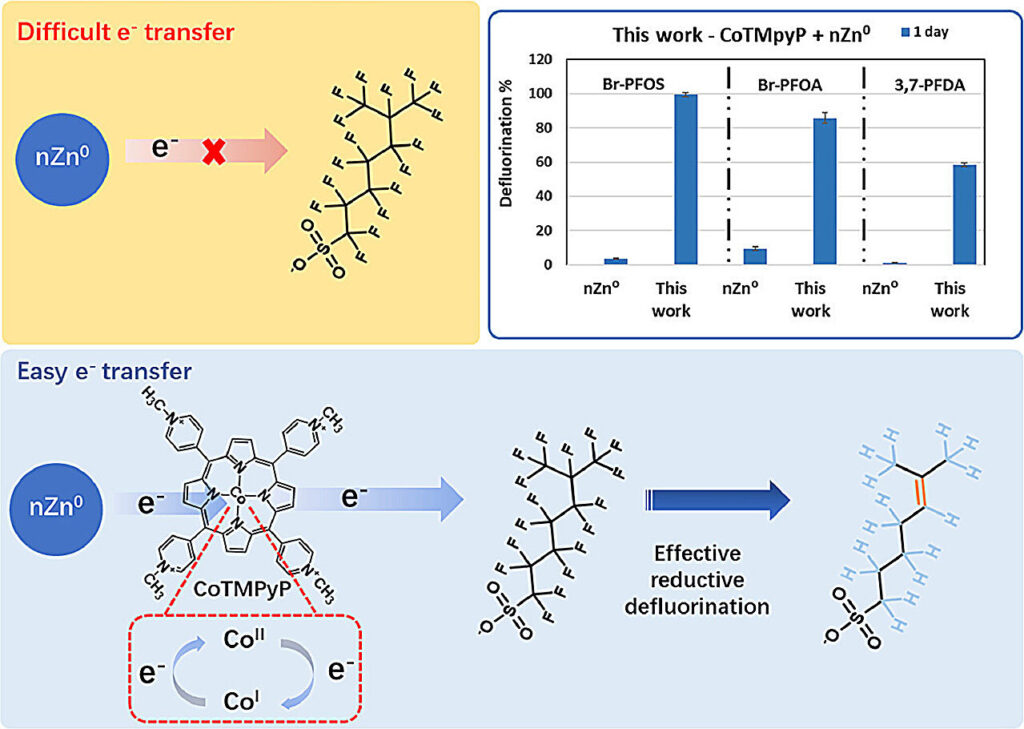
The catalyst includes mesoporous silica and cerium oxide, which are activated by sunlight. This method is safer and simpler than previous methods using UV lamps or harsh chemicals. Earlier methods used UV light and metal catalysts that work only under special conditions.
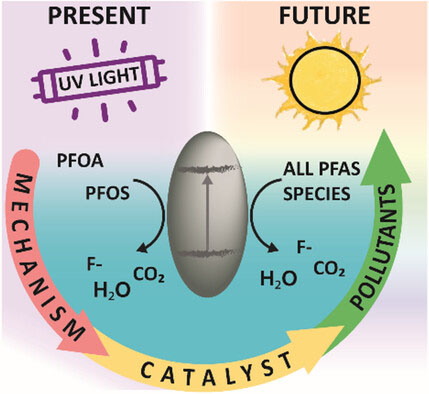
The catalyst includes mesoporous silica and cerium oxide, which are activated by sunlight. This method is safer and simpler than previous methods using UV lamps or harsh chemicals. Earlier methods used UV light and metal catalysts that work only under special conditions. Solar-driven photodegradation may fully break PFAS down into harmless substances.It could offer a low-cost and environmentally friendly alternative for cleaning polluted water This approach is still under development and needs more testing in real-world settings.